
Internet Aesthetics
Cottagecore
Cottagecore weaves baking, sewing, foraging, and garden life into a networked longing for slowness. It can feel restorative, but must distinguish rural fantasy from real country work.
READ THE IMAGE
Do not only see flower and bread; see which work is presented as pleasure, and what land and care the image omits
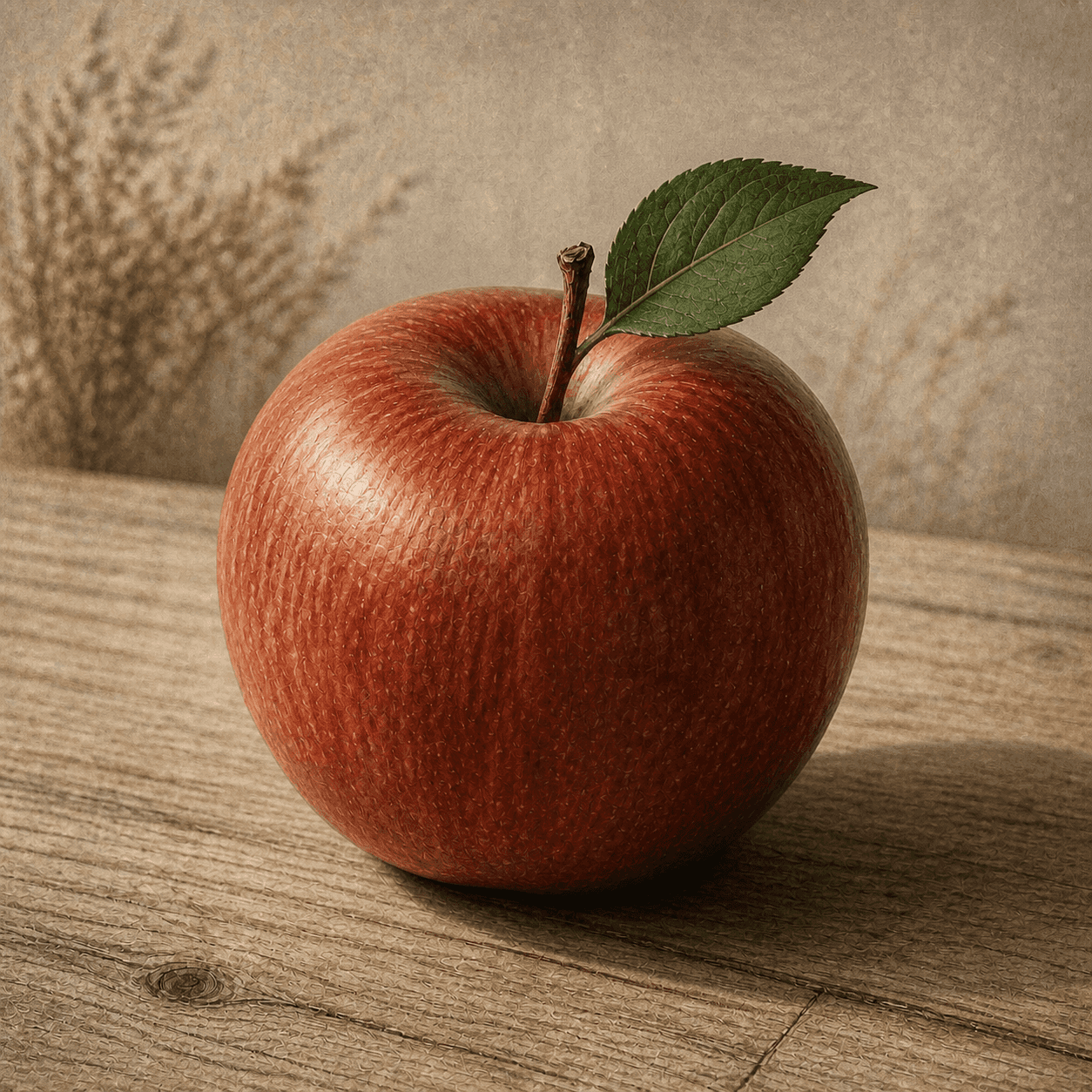
The teaching image arranges apple through warm wood, fruit, and plant. Cottagecore’s appeal lies in touchable everyday process, yet those processes require time, resource, land, and care; nature is not a costless backdrop.
- 01
See season organise the image
Fruit, flower, rain, and sun make time appear cyclical and predictable while concealing agricultural uncertainty.
- 02
See whether craft shows process
Kneading, mending, planting, and preserving need tools and labour; showing only results turns work into decor.
- 03
See nature as partner or backdrop
Plant, insect, and soil can be attended to rather than used only as a stage for human leisure.
- 04
See who defines tradition
Apron, cottage, and domestic work can be reused by different people; they do not automatically signify one gender role or politics.
In one sentence
Use craft, season, and soft rural imagery to imagine slow life,
while putting romanticised labour, land, and belonging back into the frame
Cottagecore is an internet aesthetic around idealised rural life. Baking, gardening, sewing, old objects, wildflowers, and cottages form a vision of escape from urban pressure. Research also notes that it can compress diverse rural realities into consumable pastoral image; queer, Black, and other creators have nonetheless used it to rewrite belonging, care, and place.
VISUAL LANGUAGE
Pastoral-process DNA
Season
Time becomes visible
Make
The hand leaves trace
Thread, dough, soil, and wear let objects record their making.Near
Scale stays bodily
Low table, basket, sill, and small garden build touchable distance and care.Mess
Nature is not tidy
Leaf, insect, mushroom, and weed remind us ecology is not decoration.Question
Pastoral is not unowned land
The aesthetic must acknowledge histories and inequalities behind land, housing, labour, and traditional role.Where it came from
From pastoral literature and craft nostalgia through Tumblr tags and TikTok daily performance, cottagecore repeatedly projects urban fatigue onto a curated countryside
Cottagecore borrows long-standing rural ideals and Victorian domestic imagery but reorganises them through platform pictures, tutorials, and tags. Pandemic and screen fatigue amplified desire for baking, gardening, and slow life. Research treats it as identity and labour practice in algorithmic community while warning that rural fantasy can homogenise reality and be politically co-opted.
Pastoral and craft nostalgia build imagery
Countryside is repeatedly staged as a contrast to, and escape from, urban modernity.
Platforms gather Cottagecore
Dress, craft, literature, and nature image form a recognisable lifestyle fantasy through tags.
Home life and short video spread it
Baking, planting, and indoor naturalisation become imitable and watchable daily performance.
Belonging and co-option remain debated
Queer rural imagination, land justice, and caution around traditional gender role appear together.
ARTISTS & WORKS
Meet it through four practices
Food preserving
Jam, pickle, and bread lengthen a season while exposing time and equipment required for cooking.Small gardening
Planting brings soil, weather, and failure back into fantasy rather than supplying only flowers.Mending and secondhand
Repair, old china, and reuse can resist disposable consumption and can also be commodified.Queer pastoral making
Creators reimagine rural space as a place where belonging, intimacy, and varied identity can appear.How to recognise it
Find how season, making, and nearby nature organise slowness, then ask which labour and resources that slowness depends on
- ✓Do season, preserving, planting, or mending create a process rather than mere decoration?
- ✓Does nature keep its own mess and life instead of becoming a photo backdrop?
- ✓Does the image make care and labour visible?
- ✓Does it avoid romanticising domestic roles, private land, or rural poverty?
STYLE RELATIONS
Three ways of being close to nature
REFERENCES
Sources & image note
The apple is a cottagecore teaching interpretation centring fruit, wood, and plant at close range. It does not reduce agricultural labour, land ownership, or traditional role to consumable background.