
Internet Aesthetics
Dark Academia
Dark academia edits reading, classical education, and Gothic campus into a wearable fantasy of learning: old books, wool, shadow, and deep wood are visible, but the real question is who gets to enter the stage of “knowledge.”
READ THE IMAGE
Do not only see old books and dark colour; see how they stage learning as both accessible and exclusive
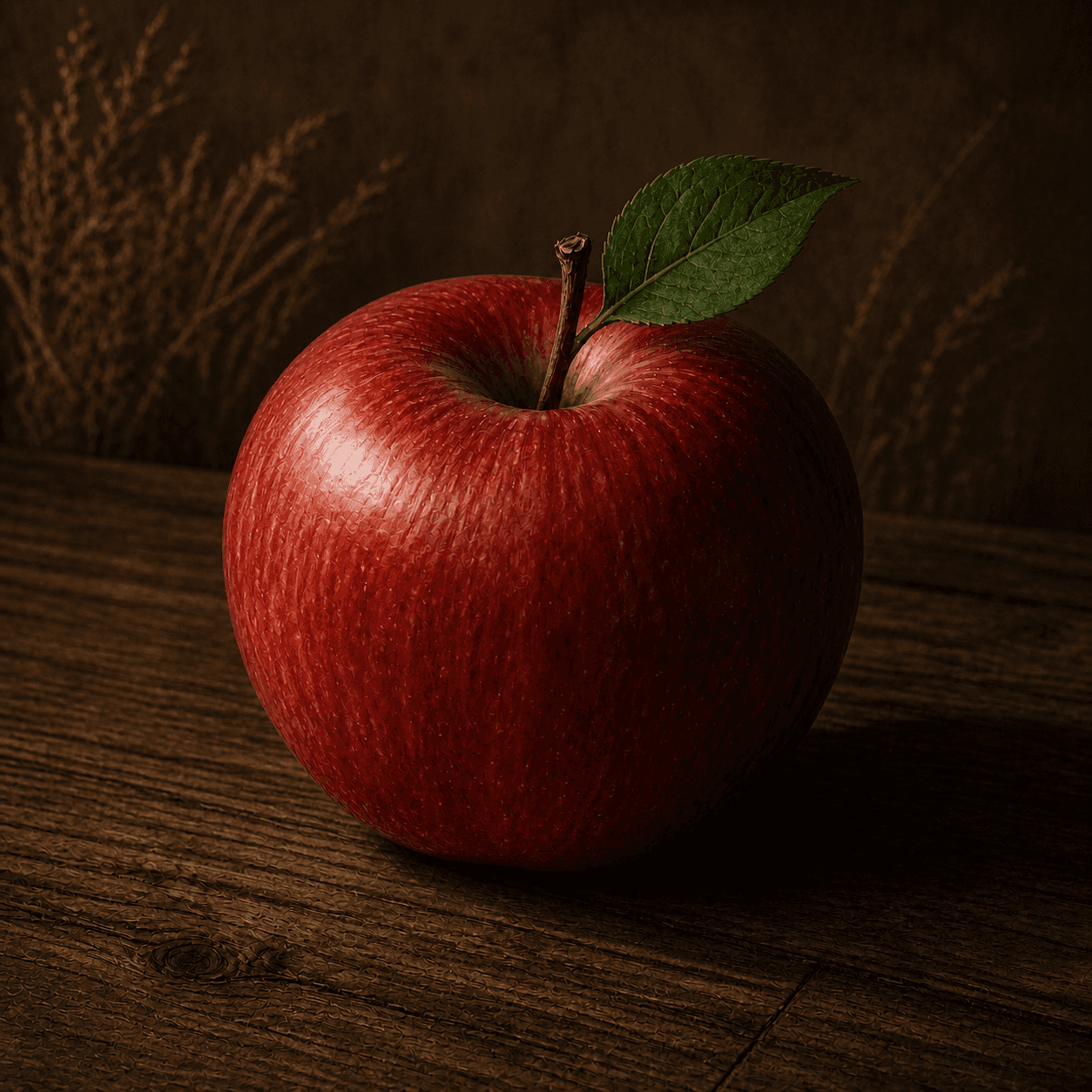
The teaching image uses low light, desk, and weighted colour to cue dark-academia atmosphere. More importantly, it presents knowledge as something reached through ritual, time, and particular rooms—seductive, but worth questioning.
- 01
See light focus attention
Desk lamp or window light extracts page, hand, and object from darkness, making reading a private ritual.
- 02
See material manufacture age
Wood, wool, leather, stone, and yellowed paper connect present learning to an imagined old university.
- 03
See classics get curated
Latin, statue, arch, and poetry are selected signs, not a complete or neutral history of knowledge.
- 04
See whether exhaustion becomes pretty
Candle, midnight, and messy notes can create mood but must not make overwork, exclusion, or anxiety necessary to learning.
In one sentence
Use Gothic campus, old media, and dark material to stage reading as ritual,
then examine whom that “ideal university” was made for
Dark Academia is an internet aesthetic and reading community around literature, art, classical learning, and an idealised version of higher education. It is neither real university history nor a clothing list: people perform bookishness through reading lists, films, study images, and dress. Research notes its frequent Anglo-American elite-campus reference, which calls for reading its exclusions, Eurocentric story, and romanticisation of pressure alongside its love of learning.
VISUAL LANGUAGE
Bookish-drama DNA
Ink
Dark colour gathers attention
Material
Objects carry time
Old book, wooden desk, wool, leather, and stone form a used knowledge-world.Classic
Text signals identity
Poetry, classical language, score, and marginalia suggest practice; they should not become cultural superiority.Hall
Architecture becomes stage
Arch, library, and corridor treat study as a solemn scene rather than ordinary labour.Question
Romance needs critique
Value desire for learning without packaging poverty, insomnia, competition, or exclusion as aesthetic.Where it came from
From campus fiction and Gothic tradition through Tumblr performances of bookish identity to a pandemic-era cross-platform affective community, dark academia keeps rewriting the script of an “ideal university”
Scholarship names Donna Tartt’s The Secret History and related campus novels as important references, but the network community is not copied from one work. Tumblr gathered reading lists, art history, dress, and mood boards before the aesthetic travelled to Instagram, Pinterest, and TikTok. During campus closures it offered company while exposing who is presumed to represent “academia.”
Gothic and campus fiction build motifs
Closed campuses, forbidden knowledge, friendship, and moral crisis become later narrative resources.
The Secret History becomes a key reference
A classics clique and idealised academic life shape later readerly imagination.
Tumblr forms a recognisable tag
Reading lists, photography, dress, and study logs perform bookishness as digital identity.
Pandemic expansion and critique coexist
Short-video growth also sharpens discussion of class, race, disability, gender, and academic pressure.
ARTISTS & WORKS
Meet it through four media entrances
Campus novel
Fictional intense reading groups offer desire, secrecy, and moral tension—not a template for university life.Gothic library image
Vault, dark wood, and local light turn a knowledge room into stage.Tumblr mood board
Page, coffee, score, and clothing recombine into a shareable bookish identity.Critical reading list
Creators use diverse writers, accessible study, and rest practice to revise default academic fantasy.How to recognise it
Find how reading, architecture, and material build a ritual of learning, then ask whose reality that ritual leaves out
- ✓Do dark light and aged material stage reading or research as theatrical attention?
- ✓Do literary, classical, or campus signs serve a narrative rather than merely pile up props?
- ✓Does the work distinguish idealised academic fantasy from real education systems?
- ✓Does it avoid romanticising sleep loss, competition, economic gatekeeping, or exclusion?
STYLE RELATIONS
Two academic fantasies and a neighbour
Dark Academia
Shadow, old book, and Gothic campus organise bookish identity with a sense of secrecy.CURRENTLight Academia
Sunlight, friendship, and open learning organise a brighter, optimistic academic fantasy.↗Cottagecore
Pastoral craft and slow living organise an escape fantasy around daily life and nature.↗REFERENCES
Sources & image note
The apple is a dark-academia teaching interpretation using desk, low light, and material texture. It does not treat elite education, overwork, or Eurocentric knowledge history as ideals to reproduce.