
Photography
Polaroid
The Polaroid look comes from an instant photographic system: after exposure, rollers spread chemistry and an image appears in hand. Border, colour shift, and imperfection are outcomes; the deeper change is that capture, waiting, and sharing occupy one place.
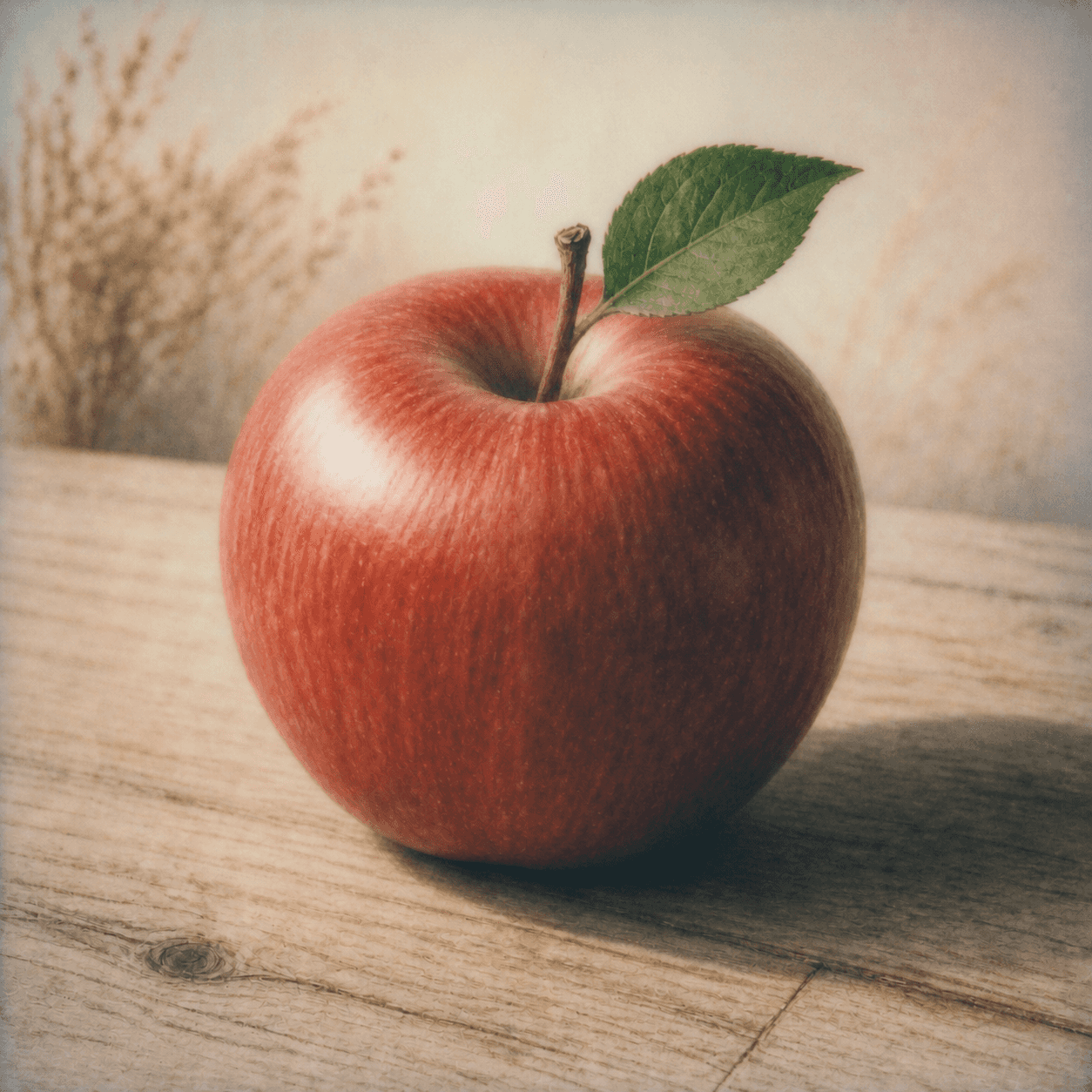
READ THE IMAGE
The white border is not decoration; it is the physical edge of light-sensitive layers, reagent, and development structure
Colour is gentle, highlights avoid digital hardness, shadows carry a slight cast, and blank material surrounds the image like an object just ejected from a camera. An instant photograph is first a thing, then a picture.
- 01
Make the border material
The broad lower margin of classic integral film accommodates structures such as the reagent pod; it is not an even frame.
- 02
Let development alter time
The image stabilises over minutes, and waiting becomes a shared event for photographer and sitter.
- 03
Match colour to one film type
SX-70, 600, and period batches differ in speed, contrast, and colour.
- 04
Let uniqueness shape use
With no negative for unlimited copies, inscription, gift, collection, and fade give each print a biography.
In one sentence
Compress the darkroom into camera and print—
so exposure becomes a tangible finished object on site
Instant photography uses material containing sensitive layers and developing chemistry. Early peel-apart systems require positive and negative to be separated after a timed interval; the 1972 SX-70 popularised integral colour film that ejects and develops inside sealed layers. A Polaroid look should emerge from this time, matter, and use—not a digital white frame. Each camera and film has distinct exposure, focus, and temperature behaviour.
VISUAL LANGUAGE
Instant DNA
Object
One exposure, one thing
Chemistry
Reagent moves between layers
Rollers distribute paste; temperature, age, and roller condition change results.Wait
The result emerges
It cannot be judged precisely at once; development produces anticipation and shared viewing.Limit
Range and definition are bounded
Highlight, shadow, close focus, and flash must suit the film rather than rely on recovery.Gift
The photograph circulates on site
A unique positive can be handed to a sitter, placed in a diary, or annotated.Where it came from
A child's question led to a system joining science, industrial design, and social ritual
Edwin Land publicly demonstrated one-step instant photography in 1947; the Model 95 sold out in 1948. Black-and-white, colour, and peel-apart materials followed. In 1972 the folding SX-70 and integral print became design icons. Digital disruption ended original production in 2008, but enthusiasts preserved the factory and revived the brand.
One-step photography is shown and sold
Land demonstrates the process; Model 95 and Type 40 shorten capture-to-print to the place of exposure.
Monochrome, colour, and professional systems expand
Identity, industrial testing, art experiment, and family snapshot all use instant material.
The SX-70 integral system arrives
A folding SLR and self-ejecting colour print package complex chemistry into an elegant experience.
Closure, rescue, and reconstruction
The Impossible Project saves the last Dutch factory, then restores the Polaroid name and improves film.
ARTISTS & WORKS
Meet it through four key figures
Edwin H. Land
Integrates polarisation, colloid chemistry, camera, and the human desire to see immediately into one system.Meroë Morse
Leads intensive experiments that move monochrome and colour instant materials from concept to stable product.Andy Warhol
Uses instant cameras to generate serial samples of celebrity, friend, and self—both intimate and database-like.David Hockney
Joins many instant prints into moving-time composites that challenge single perspective and decisive instant.How to recognise it
Infer film structure, capture limits, and physical use—not just a white border
- ✓Do border ratio, image area, and lower margin correspond to a real instant material?
- ✓Do colour, definition, and range behave like one film type?
- ✓Do temperature, reagent, or roller effects have physical direction?
- ✓Does the image express immediate sharing, unique object, or composite use?
STYLE RELATIONS
Three instant and film languages
REFERENCES
Sources & image note
The apple is an instant-photography teaching simulation using integral-film proportions, gentle definition, and slight chemical colour. It is not a verifiable physical Polaroid original.